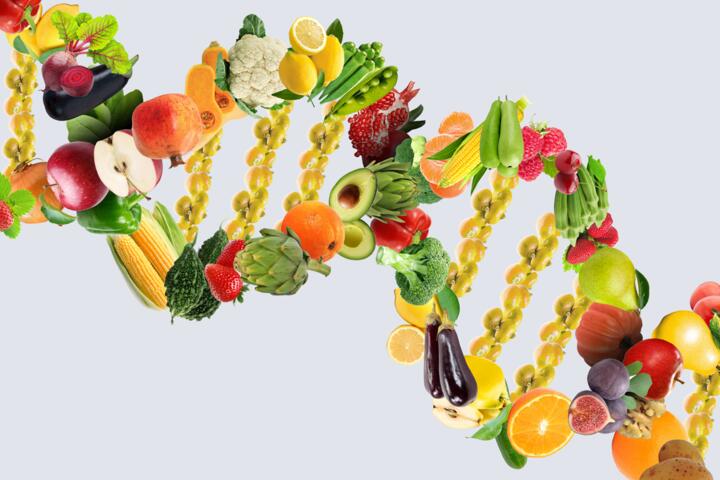
The Intersection of Molecular Biology and Personal Nutrition
At its core, nutrigenomics is the study of how bioactive chemicals in food act as signals that turn genes "on" or "off." While your DNA remains static throughout your life, your gene expression is incredibly fluid. Think of your DNA as a piano and your diet as the pianist; the music produced depends entirely on which keys are pressed.
For instance, consider the MTHFR gene, which dictates how your body processes folate. Approximately 35% to 45% of the global population carries a variant that reduces their ability to convert folic acid into its active form, methylfolate. For these individuals, a "healthy" breakfast of fortified cereal can actually lead to a buildup of unmetabolized folic acid, potentially masking vitamin B12 deficiencies and elevating homocysteine levels—a major risk factor for cardiovascular disease.
Another practical example is the CYP1A2 gene, which controls caffeine metabolism. "Fast metabolizers" clear caffeine quickly and may see a reduction in heart disease risk from moderate coffee intake. Conversely, "slow metabolizers" (carrying the AC or CC genotype) experience prolonged cortisol spikes from the same cup, increasing their risk of hypertension. Data suggests that slow metabolizers have a 36% higher risk of non-fatal heart attacks if they consume more than two cups of coffee daily.
The Failures of Generalized Dietary Advice
The primary pain point in modern wellness is the "Dietary Paradox." We see individuals follow strict ketogenic or vegan protocols with clinical precision, yet some thrive while others develop lipid abnormalities or chronic fatigue. The error lies in ignoring biological individuality.
The Oversaturation of Generic "Superfoods" Many people consume kale or spinach in massive quantities, unaware that their SLC26A1 genotype might predispose them to calcium oxalate kidney stones. Without genetic context, a "detox" smoothie can become a metabolic burden.
Mismanaged Micronutrient Expectations Relying on RDA (Recommended Dietary Allowance) values is often insufficient. For example, individuals with specific variations in the BCMO1 gene have a 30% to 70% reduced efficiency in converting beta-carotene from carrots into active Vitamin A (retinol). If these individuals follow a strict plant-based diet without supplementing pre-formed Vitamin A, they may suffer from persistent skin issues and weakened immunity despite "eating their greens."
The Consequence of Silent Inflammation When you consume foods that your body cannot genetically process efficiently, you trigger a low-grade immune response. Over time, this results in epigenetic scarring, where genes associated with systemic inflammation (like IL-6 or TNF-alpha) remain chronically up-regulated, leading to premature aging and metabolic syndrome.
Strategic Recommendations for Genetic Optimization
To transition from guesswork to precision, you must focus on specific genetic markers and the targeted interventions that support them.
Optimizing Methylation and B-Vitamins If genetic testing reveals a mutation in the MTHFR or MTRR genes, stop relying on synthetic folic acid. Instead, prioritize "bio-identical" nutrients.
-
Action: Consume dark leafy greens (natural folates) and consider supplements containing L-5-Methyltetrahydrofolate.
-
Service: Use tools like SelfDecode or Nutrahacker to upload raw data and identify specific methylation bottlenecks.
-
Result: Research shows that targeted methyl-donor supplementation can lower homocysteine levels by 20% to 30% in high-risk genotypes within 8 weeks.
Managing Lipid Metabolism (The APOE Factor) The APOE4 allele is a significant marker for how you process fats and your risk for late-onset Alzheimer’s.
-
Action: Those with APOE4 should typically avoid high-saturated fat diets (like traditional Keto). They respond better to a Mediterranean-style approach high in Omega-3s.
-
Tool: Utilize InsideTracker to monitor LDL-C and ApoB levels quarterly to ensure your dietary fat sources aren't driving subclinical atherosclerosis.
Vitamin D Receptor (VDR) Sensitivity Many people have "normal" Vitamin D levels but suffer from deficiency symptoms because their VDR gene limits how well their cells can actually use the vitamin.
-
Action: Aim for the upper quartile of reference ranges (60–80 ng/mL) rather than just "passing" at 30 ng/mL.
-
Fact: Approximately 20% of people carry VDR variants that require higher-than-average sunlight exposure or supplementation to achieve the same physiological effect as the general population.
Precision Wellness Case Examples
Case Study 1: Metabolic Restoration A 45-year-old male executive struggled with "brain fog" and stubborn visceral fat despite a high-protein, low-carb diet.
-
Analysis: Genetic testing via 23andMe (analyzed through Strategygene) revealed a "Slow" COMT gene and an FTO (fat mass and obesity-associated) variant.
-
Intervention: He reduced caffeine (which taxes the COMT enzyme) and shifted from a high-fat diet to a moderate-carb, high-fiber diet to satisfy the FTO genotype's sensitivity to saturated fats.
-
Result: He lost 12 pounds of body fat in 90 days, and his reported cognitive clarity scores improved by 45% on the CNS Vital Signs assessment.
Case Study 2: Addressing Chronic Fatigue A female athlete experienced persistent muscle soreness and slow recovery.
-
Analysis: DNA analysis showed a homozygous variation in the GSTP1 gene, which handles phase II detoxification and antioxidant protection.
-
Intervention: Added 200mg of Sulforaphane (via broccoli sprouts) and increased selenium-rich foods to support glutathione production.
-
Result: C-Reactive Protein (a marker of inflammation) dropped from 2.8 mg/L to 0.9 mg/L in six weeks, significantly decreasing recovery time between training sessions.
Genomic Integration Checklist
Use this checklist to begin your transition into DNA-based nutrition.
-
Step 1: Data Acquisition. Obtain a high-quality SNP report. Services like AncestryDNA or 23andMe provide the raw data, but medical-grade kits like DNAfit offer better health-specific insights.
-
Step 2: Identify High-Impact SNPs. Focus on the "Big Five": MTHFR (Methylation), APOE (Lipids), FTO (Metabolism), VDR (Vitamin D), and GSTP1 (Detoxification).
-
Step 3: Audit Your Supplements. Check labels for "Folic Acid" and replace with "Folate." Ensure Vitamin B12 is in the form of Methylcobalamin or Adenosylcobalamin.
-
Step 4: Chrono-Nutrition. If you have the CLOCK gene variant, avoid late-night eating, as your genetics predispose you to higher insulin resistance after sunset.
-
Step 5: Biofeedback. Test, don't guess. Use blood work from Function Health to verify if your genetic interventions are moving your clinical markers in the right direction.
Common Pitfalls in Genomic Dieting
Over-interpreting Single SNPs The most common mistake is focusing on one gene in isolation. Biology is redundant. If you have one "bad" detox gene but three "good" ones, your body may compensate. Always look at the pathway, not just the individual marker.
Ignoring Lifestyle (Epigenetics) Genetics is not destiny. You can have "perfect" metabolic genes, but if you are chronically sleep-deprived and stressed, your cortisol will override your genetic advantages. Nutrigenomics works best when paired with circadian rhythm alignment.
Using Poor Quality Raw Data Not all DNA tests are equal. Some consumer kits have a 1-2% error rate in calling specific SNPs. Before making drastic medical changes, confirm critical findings with a practitioner-grade test like Genova Diagnostics.
FAQ
Can I change my genes through diet? No, you cannot change the underlying DNA sequence. However, you can change the expression of those genes—essentially silencing those that promote disease and activating those that promote longevity.
Is nutrigenomics the same as a DNA diet? A "DNA diet" is often a simplified marketing term. Nutrigenomics is the broader scientific field that looks at complex interactions between nutrients, metabolic pathways, and genetic signaling.
How often should I get tested? Since your DNA sequence doesn't change, you only need to perform the foundational sequencing once. However, you should perform epigenetic testing (like TruDiagnostic) annually to see how your diet is affecting your biological age.
Do I need a doctor to interpret my results? While many apps provide automated reports, working with a certified Nutrigenetic Counselor or a Functional Medicine practitioner is highly recommended to avoid misinterpreting complex data.
Is it expensive to start? Basic DNA kits range from $99 to $199. Professional analysis software usually costs an additional $50 to $100. Compared to the cost of ineffective supplements and chronic disease management, it is a high-ROI investment.
Author's Insight
In my years tracking metabolic data, I have found that the most profound shifts come from the smallest tweaks. I personally carry the GSTP1 deletion, meaning my body struggles to clear environmental toxins. By simply adding a daily dose of cruciferous vegetables and high-quality glutathione precursors, I cleared a decade of "unexplained" skin rashes that no dermatologist could fix. My advice is to start with your B-vitamin pathway. It is the "software update" your body needs to run every other system efficiently. Do not let the complexity of the data paralyze you; pick the three most impactful variants and master them first.
Conclusion
Nutrigenomics represents the shift from reactive medicine to proactive, personalized biological management. By understanding how your DNA responds to specific micronutrients and compounds, you can bypass the trial-and-error phase of dieting. Start by securing your raw genetic data, focus on the high-impact markers like MTHFR and APOE, and validate your dietary changes with regular blood chemistry panels. Your genetic code is a roadmap; following it is the most direct path to sustainable health and longevity.