
The post-pandemic shift toward hybrid work has left urban centers with a surplus of aging commercial real estate, creating a unique opportunity for high-end residential development. This guide explores the strategic transformation of redundant office blocks into premium living spaces, addressing technical hurdles like deep floor plates and outdated HVAC systems. It provides developers and investors with a data-driven roadmap to navigate zoning, structural engineering, and luxury branding in the modern real estate market.

Adaptive Reuse: Converting Old Offices into Luxury Lofts

Short-term vs. Long-term Rental Investment Strategies
Choosing the right path in residential real estate requires more than a simple preference for guest turnover; it demands a surgical analysis of local regulations, tax implications, and operational overhead. This guide breaks down the financial and logistical nuances between transient stays and stable tenancies, helping investors align their portfolios with specific cash flow requirements and risk tolerances. We move beyond the "passive income" myth to provide a data-driven blueprint for maximizing yield in today’s volatile market.

The Rise of Co-living Spaces in Major Urban Hubs
The shift toward shared residential models in Tier-1 cities addresses the deepening crisis of urban isolation and housing unaffordability. By merging private quarters with expansive communal infrastructure, these managed environments cater to digital nomads and young professionals who prioritize flexibility over traditional long-term leases. This analysis explores how purpose-built shared housing maximizes square footage through technology-driven management and community curation, offering a sustainable alternative to the fragmented rental market.
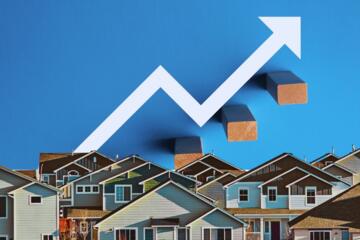
Navigating High-Interest Rates in Mortgage Markets
This comprehensive guide analyzes the strategic shifts required to secure housing finance in an era of elevated borrowing costs. Designed for prospective homeowners and real estate investors, it addresses the friction between stagnant wages and central bank hawkishness. By leveraging specific financial instruments, credit optimization, and timing strategies, readers will learn how to mitigate the impact of high annual percentage rates (APRs) on long-term wealth.

How PropTech is Revolutionizing Property Management
Modern real estate management is shifting from manual, reactive oversight to a data-driven, automated ecosystem. This guide explores how digital integration solves chronic inefficiencies like high operational costs and tenant churn for property owners and REIT managers. By leveraging specific software suites and IoT infrastructure, stakeholders can transform stagnant assets into high-performance portfolios while significantly boosting Net Operating Income (NOI).
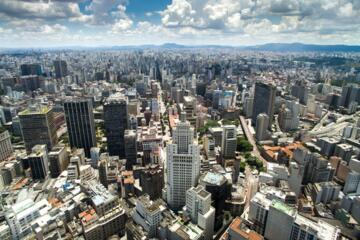
Predicting Urban Development Trends in 2030
This guide provides a high-level analysis of the shifting dynamics in global city-building through 2030, specifically designed for urban planners, real-life developers, and municipal policy makers. We address the critical gap between legacy infrastructure and the demands of hyper-connectivity, offering actionable strategies to navigate demographic shifts and climate volatility. By integrating spatial data analytics and sustainable engineering, this article solves the problem of "static planning" in an increasingly fluid, tech-driven socioeconomic landscape.
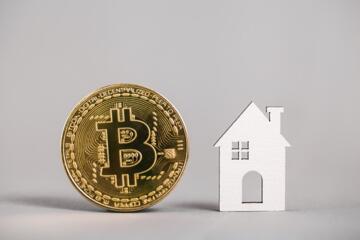
Real Estate Tokenization: Investing via Blockchain
Asset fractionalization through distributed ledger technology is transforming how capital flows into the built environment. This approach addresses the chronic illiquidity of high-value physical assets, allowing retail and institutional investors to enter markets previously gated by seven-figure minimums. By converting property rights into digital units, stakeholders eliminate traditional brokerage friction and enable 24/7 secondary market trading.
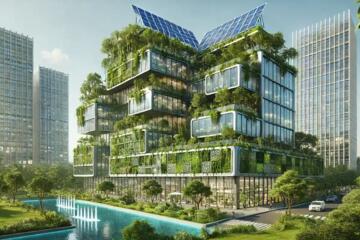
Sustainable Architecture: The Growth of Green Buildings
This guide explores the transition from traditional construction to high-performance, regenerative design, targeting developers, architects, and urban planners. We address the critical challenge of the "performance gap"—where buildings fail to meet their theoretical energy targets—by implementing data-driven materials and smart systems. Readers will learn how to integrate circular economy principles and passive design to reduce long-term operational costs and carbon footprints.

The Impact of Remote Work on Commercial Real Estate
This analysis explores the seismic shift in the corporate property landscape driven by the transition to flexible working models. It provides asset managers, urban planners, and business leaders with data-driven insights into declining occupancy rates and the rise of adaptive reuse strategies. By addressing the obsolescence of traditional office layouts, we outline a roadmap for revitalizing commercial portfolios through technological integration and structural diversification.
Smart Building Technology: Increasing Asset Value
Modern real estate faces a critical stagnation where traditional brick-and-mortar assets lose competitive edge against technologically superior workspaces. This guide explores how integrating intelligent infrastructure transforms static structures into high-performing digital assets for REITs, developers, and facility managers. By shifting from reactive maintenance to AI-driven predictive operations, owners can achieve significant Net Operating Income (NOI) growth and long-term valuation premiums.