The Digital Transformation of Clinical Encounters
Telemedicine is no longer just a "video call with a doctor." It is a sophisticated ecosystem integrating synchronous video, asynchronous messaging, and Remote Patient Monitoring (RPM). In practice, this looks like a cardiologist receiving real-time alerts from a patient’s wearable device, allowing for medication adjustments before a cardiac event occurs. This proactive model shifts the focus from reactive "sick care" to continuous wellness management.
The scale of this shift is evident in the data. According to McKinsey, telehealth utilization has stabilized at levels 38 times higher than pre-pandemic baselines. Furthermore, the global telemedicine market is projected to reach over $285 billion by 2027. This growth is driven by the integration of AI-driven triage tools and the expansion of high-speed 5G networks, which facilitate seamless high-definition imaging for remote diagnostics.
Critical Barriers to Seamless Virtual Care
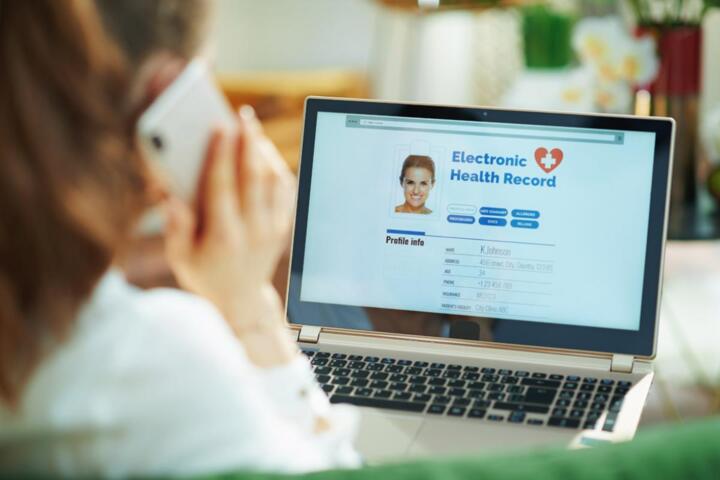
One of the most significant pitfalls in current digital health implementations is the "fragmented data silo." Many clinics adopt standalone video platforms that do not communicate with their Electronic Health Records (EHR). When a physician has to manually toggle between a Zoom call and an Epic or Cerner database, the risk of data entry errors increases by nearly 30%, and the "digital fatigue" leads to shorter, less empathetic consultations.
Security remains a primary pain point. The healthcare sector saw a 45% increase in cyberattacks recently, with remote access points being the most vulnerable. Using non-HIPAA compliant tools (like standard Skype or FaceTime) puts practices at immense legal risk under OCR regulations. Furthermore, the "Digital Divide" is a harsh reality; roughly 25% of rural patients lack the bandwidth for stable video, often leading to dropped calls that disrupt the clinical flow and frustrate patients who may already be skeptical of virtual care.
Strategic Solutions for Scalable Virtual Healthcare
To build a resilient telemedicine program, providers must move beyond basic connectivity and focus on integrated workflows and specialized hardware.
Unified EHR Integration
Successful practices utilize platforms like Doxy.me or Teladoc that embed directly into the patient's record. This allows for "single-pane-of-glass" management. When the clinician sees the patient’s face, they also see their lab results and medication history in the same window. This integration reduces administrative overhead by approximately 15 minutes per patient encounter.
Hybrid Diagnostic Kits
The limitation of "eyes-only" exams is solved through peripheral integration. Services like TytoCare provide patients with handheld devices that allow doctors to remotely listen to heart and lung sounds or examine the inner ear and throat. Implementing these kits in chronic care management has been shown to reduce emergency room visits by 40% for pediatric and geriatric populations.
Optimized Reimbursement Coding
Financial viability depends on mastering specific CPT codes. Utilizing codes like 99454 for RPM device supply or 99421 for online digital evaluation ensures that the time spent outside of video calls is compensated. Practices that employ dedicated billing specialists for digital health often see a 20% increase in realized revenue compared to those using traditional billing templates for virtual visits.
Real-World Implementation Success Stories
Case Study 1: Remote Neurology in Rural Settings
A regional health system in the Midwest faced a shortage of neurologists. By partnering with specialists via the Amwell platform, they implemented a "Telestroke" program. When a patient arrived at a rural ER with stroke symptoms, a remote neurologist could be "bedside" via video in under 6 minutes.
-
Result: The "door-to-needle" time for administering life-saving TPA dropped by 22 minutes, and the hospital saved $1.2 million annually in patient transfer costs.
Case Study 2: Mental Health Accessibility
A large corporate employer integrated Ginger (now Headspace Health) into their benefits package to address rising burnout. By offering on-demand behavioral health coaching and video therapy, they removed the 3-week waiting list typical of local clinics.
-
Result: Employee absenteeism dropped by 18%, and 70% of participants reported a significant reduction in clinical anxiety symptoms within 12 weeks of use.
Technical Requirements and Compliance Checklist
| Feature | Requirement | Recommended Tools/Standards |
| Data Encryption | AES 256-bit encryption | HIPAA-compliant BAA (Business Associate Agreement) |
| Platform | WebRTC-based for no-install access | Zoom for Healthcare, Microsoft Teams (Enterprise) |
| Audio/Video | 1080p HD / Noise-canceling | Jabra Evolve series / Logitech C920 |
| EHR Connection | FHIR / HL7 Interoperability | Redox Engine or Mulesoft |
| Bandwidth | Minimum 15 Mbps up/down | Fiber or 5G prioritized routing |
Pre-Flight Checklist for Providers:
-
Verify patient's identity and current physical location (for licensing compliance).
-
Ensure a Business Associate Agreement (BAA) is signed with the software provider.
-
Conduct a "tech check" 5 minutes before the call with a digital medical assistant.
-
Confirm the patient has a private, well-lit space for the consultation.
-
Document the start and end times to satisfy CPT billing requirements.
Common Pitfalls and Mitigation Strategies
A frequent mistake is treating a virtual visit exactly like an in-person one. Clinicians often forget to look at the camera lens (simulating eye contact) and instead look at the patient's image on the screen, which can feel impersonal. Training staff in "webside manner" is crucial. This includes verbalizing actions, such as "I am looking down now to type your prescription into the system," to keep the patient engaged.
Another error is ignoring state-level licensing laws. While federal waivers simplified cross-state care during the pandemic, many of these are expiring. Practicing across state lines without a compact license (like the IMLC) can result in heavy fines and loss of credentials. Always utilize a geo-fencing feature in your scheduling software to ensure the patient is in a jurisdiction where you are legally authorized to practice.
FAQ
Is telemedicine as effective as in-person visits for chronic conditions?
For conditions like hypertension, diabetes, and mental health, studies published in JAMA show that outcomes are often equal or superior due to increased frequency of touchpoints and better medication adherence through RPM.
How do I ensure patient privacy during a video call?
Use platforms that offer end-to-end encryption and always ensure you are on a private, password-protected Wi-Fi network. Avoid using public hotspots or non-secured "free" versions of video software.
What happens if the technology fails during a session?
Every practice should have a "Telephone Backup Protocol." If the video drops, the clinician immediately calls the patient’s mobile phone to complete the visit or reschedule, ensuring no gap in care.
Will insurance companies pay the same rate for virtual visits?
This depends on "parity laws" in your specific state. Many states now require private insurers to reimburse telehealth at the same rate as in-person visits, but it is vital to check the specific payer's policy for CPT code 99213/99214.
Can I perform a physical exam virtually?
While you cannot palpate, you can perform a "guided exam." You can instruct the patient to check their own pulse, show you their range of motion, or use home devices like blood pressure cuffs and pulse oximeters to provide objective data.
Author’s Insight
In my years observing the intersection of technology and medicine, I’ve found that the most successful telemedicine programs are those that treat technology as a transparent bridge, not a barrier. I once consulted for a clinic that spent $50,000 on high-end hardware but failed because the login process was too complex for their elderly patients. The lesson is simple: prioritize the user experience for the least tech-savvy person in the room. If a patient can't join the call in two clicks, the clinical value is zero. My practical advice is to always offer a "tech rehearsal" for new patients; it pays for itself by reducing "no-show" rates by nearly 50%.
Conclusion
The rise of digital health is a permanent evolution of the medical landscape, offering unprecedented opportunities for efficiency and patient reach. To succeed, providers must move beyond the "temporary fix" mindset and invest in deep EHR integration, robust cybersecurity, and specialized training for their staff. By focusing on "webside manner" and utilizing integrated diagnostic tools, clinicians can deliver high-quality, empathetic care that transcends physical boundaries. The immediate next step for any practice is to audit their current digital workflow for bottlenecks and ensure all vendor agreements are fully HIPAA-compliant.