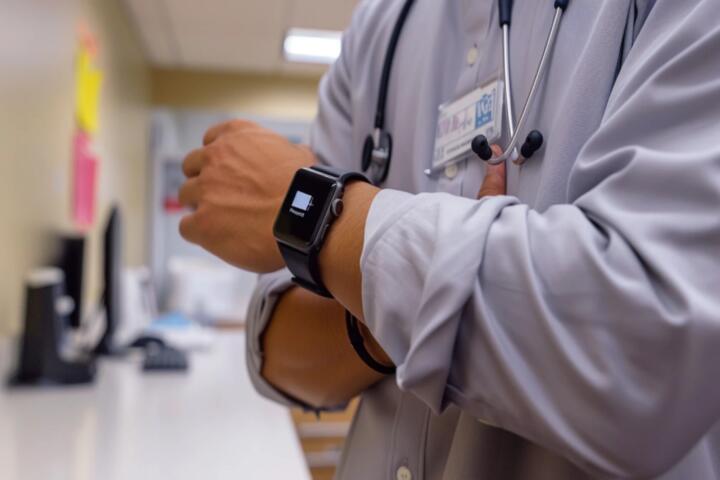
Protecting Patient Confidentiality in the Era of Interconnected Medical Informatics
The shift from paper charts to integrated Electronic Health Records (EHR) has revolutionized diagnostic speed, but it has also expanded the attack surface for cybercriminals. In the current landscape, a single medical record can fetch up to $250 on the dark web, compared to just $5 for a credit card number. This is because health data is immutable; you can change a leaked credit card number, but you cannot change your genetic markers or chronic illness history.
Digital health records are no longer just static files; they are part of a massive, fluid ecosystem involving wearable devices, pharmacy management systems like CVS Caremark, and telehealth platforms such as Teladoc. For example, when a patient uses a remote monitoring device for hypertension, that data travels through multiple gateways before reaching the hospital’s Epic or Cerner system. Every hop in that journey represents a potential point of failure if encryption protocols are not strictly enforced.
Statistically, the healthcare sector saw a 45% increase in cyberattacks globally over the last two years. According to the 2024 IBM Cost of a Data Breach Report, the average cost of a healthcare breach has reached nearly $10 million per incident. This financial burden, coupled with the erosion of patient trust, makes data privacy the primary operational challenge for modern medicine.
Strategic Vulnerabilities and Systemic Pain Points
One of the most significant errors organizations make is prioritizing accessibility over security during the "interoperability" phase. To ensure doctors can see data across different facilities, many systems use outdated APIs (Application Programming Interfaces) that lack robust authentication. If an API is poorly configured, it becomes an open door for unauthorized data scraping.
Another critical pain point is the "Insider Threat," which isn't always malicious. According to a study by Verizon, nearly 35% of healthcare breaches involve internal actors. This often stems from "privilege creep," where staff members retain access to patient files long after they have moved to different departments. In a real-world scenario at a major university hospital in 2023, a clerical error allowed hundreds of employees to view the sensitive records of high-profile patients, leading to massive fines and reputational damage.
The consequences of these failures go beyond fines. When a ransomware attack hits a system like Change Healthcare, the entire supply chain freezes. Pharmacies cannot process prescriptions, and surgeons cannot access critical pre-op imaging. The delay in care is a direct threat to life, turning a "data problem" into a "mortality problem."
Technical Solutions and Implementation Frameworks
Transitioning to Zero Trust Architecture
The traditional "perimeter" defense—where you trust everyone inside the hospital network—is obsolete. Organizations should implement a Zero Trust model, which operates on the principle of "never trust, always verify." By using Identity and Access Management (IAM) tools like Okta or Microsoft Entra ID, hospitals can enforce Multi-Factor Authentication (MFA) for every single login attempt.
Why it works: Even if a doctor’s credentials are stolen via phishing, the attacker cannot bypass the secondary biometric or hardware token (like a YubiKey).
Results: Implementing MFA can block over 99.9% of account compromise attacks.
End-to-End Encryption and Data Masking
Data must be encrypted both at rest (on the server) and in transit (moving between systems). Use Advanced Encryption Standard (AES) with 256-bit keys. For research purposes, utilize "Data Masking" or "De-identification" tools such as Privitar. This allows researchers to analyze trends—like the efficacy of a new diabetes drug—without ever seeing the patient’s name or social security number.
Tools: AWS Key Management Service (KMS) or Google Cloud Healthcare API provide native tools to manage encryption keys and automate the de-identification of Protected Health Information (PHI).
Automated Auditing and AI Threat Detection
Manual log reviews are impossible given the volume of data. Utilizing Security Information and Event Management (SIEM) platforms like Splunk or Datadog allows for real-time monitoring. These platforms use machine learning to identify anomalous behavior—such as a nurse downloading 500 records at 3:00 AM—and automatically lock the account.
Results: Automated systems reduce the "mean time to detect" (MTTD) a breach from months to minutes.
Practical Case Studies
Case Study 1: Regional Health Network Optimization
Organization: A mid-sized healthcare network with 12 clinics.
Problem: Frequent "vishing" (voice phishing) attacks led to three unauthorized logins in six months, though no data was exfiltrated.
Action: The IT department implemented Duo Security for all staff and migrated their legacy local servers to Microsoft Azure's HIPAA-compliant cloud environment. They also conducted monthly "simulated phishing" tests for employees.
Result: Unauthorized login attempts dropped to zero over the following 18 months, and the organization saw a 15% reduction in IT maintenance costs due to cloud automation.
Case Study 2: Specialty Surgical Center
Organization: A private surgical group specializing in orthopedics.
Problem: Patient intake forms were being sent via unencrypted email attachments, violating HIPAA.
Action: They integrated ProtonMail for business and adopted a secure patient portal via MyChart. All staff underwent a mandatory 4-hour cybersecurity certification.
Result: 100% compliance in a third-party audit and a significant increase in patient satisfaction scores regarding "perception of privacy."
Comparison of Privacy Management Approaches
| Feature | Legacy On-Premise Systems | Modern Cloud-Native (e.g., AWS/Azure) |
| Security Responsibility | 100% Internal IT staff | Shared (Provider secures infra, you secure data) |
| Patch Management | Manual (High risk of delay) | Automated (Continuous updates) |
| Encryption | Often optional or difficult to scale | Default/Native at rest and in transit |
| Cost Structure | High CapEx (Hardware/Servers) | OpEx (Pay-per-use, scalable) |
| Compliance Evidence | Manual log gathering | Automated audit reports and dashboards |
Common Pitfalls and How to Avoid Them
1. Ignoring Shadow IT
Doctors often use unauthorized apps like WhatsApp or Dropbox to share patient images quickly. This bypasses all institutional security.
-
Correction: Provide a "sanctioned" alternative that is just as easy to use, such as Microsoft Teams for Healthcare or TigerConnect.
2. Treating Compliance as Security
Being "HIPAA Compliant" does not mean you are "Secure." Compliance is a baseline; security is an active process.
-
Correction: Conduct annual penetration testing where ethical hackers try to break into your system to find vulnerabilities before the criminals do.
3. Poor Offboarding Processes
Failing to revoke access for terminated employees is a leading cause of data leaks.
-
Correction: Automate your HR-to-IT workflow. When an employee is marked "inactive" in the HR system (like Workday), their system access should be revoked instantly.
FAQ
How can small practices afford high-end cybersecurity?
Small practices don't need to build their own infrastructure. Leveraging reputable, HIPAA-compliant SaaS (Software as a Service) providers like Kareo or Athenahealth allows small clinics to benefit from enterprise-grade security at a fraction of the cost.
Does "De-identified" data still carry risks?
Yes. "Re-identification" is a known risk where hackers combine de-identified medical data with public datasets (like voter registration) to figure out who a patient is. To prevent this, use advanced techniques like "Differential Privacy."
What is the most common way hackers enter healthcare systems?
Phishing remains the #1 entry point. It is much easier to trick a tired doctor into clicking a link than it is to "hack" a hardened firewall.
How long should medical records be kept for privacy reasons?
While HIPAA doesn't dictate a specific timeframe, many state laws require 7 to 10 years. From a privacy standpoint, you should securely destroy data (using digital shredding tools) as soon as the legal retention period ends to minimize your "data footprint."
Can I use Google Drive for medical records?
Only if you have a Business or Enterprise account and have signed a Business Associate Agreement (BAA) with Google. The consumer version of Google Drive is not compliant with medical privacy laws.
Author's Insight
In my years of consulting for digital health startups, I’ve observed that the most secure organizations are those that treat privacy as a patient safety issue, not an IT issue. When a surgeon understands that a data breach can delay a life-saving operation, their adherence to security protocols skyrockets. My practical advice: don't just buy the most expensive software; build a "culture of suspicion" where it is socially acceptable for a nurse to double-check a doctor's identity if they ask for a password. Technology is the shield, but human vigilance is the hand that holds it.
Conclusion
Securing digital health records requires a multi-layered approach that blends rigorous technical controls with a culture of awareness. By moving toward Zero Trust architectures, utilizing robust encryption tools like AES-256, and choosing compliant cloud partners such as AWS or Azure, healthcare providers can protect their most valuable asset: patient trust. The transition from reactive to proactive security is no longer optional—it is the foundation of modern clinical excellence. Focus on automating your compliance, training your staff relentlessly, and always assuming that your perimeter has already been breached.